A Step-by-Step Guide to the Model Making Process in Dubai’s Leading Companies
In a city where imagination rises into the sky as glass and steel, physical models play a vital role long before the first stone is laid. Dubai’s architectural world thrives on innovation, and behind every landmark tower, waterfront community, or futuristic masterplan, there are talented craftsmen and designers turning ideas into tangible reality.
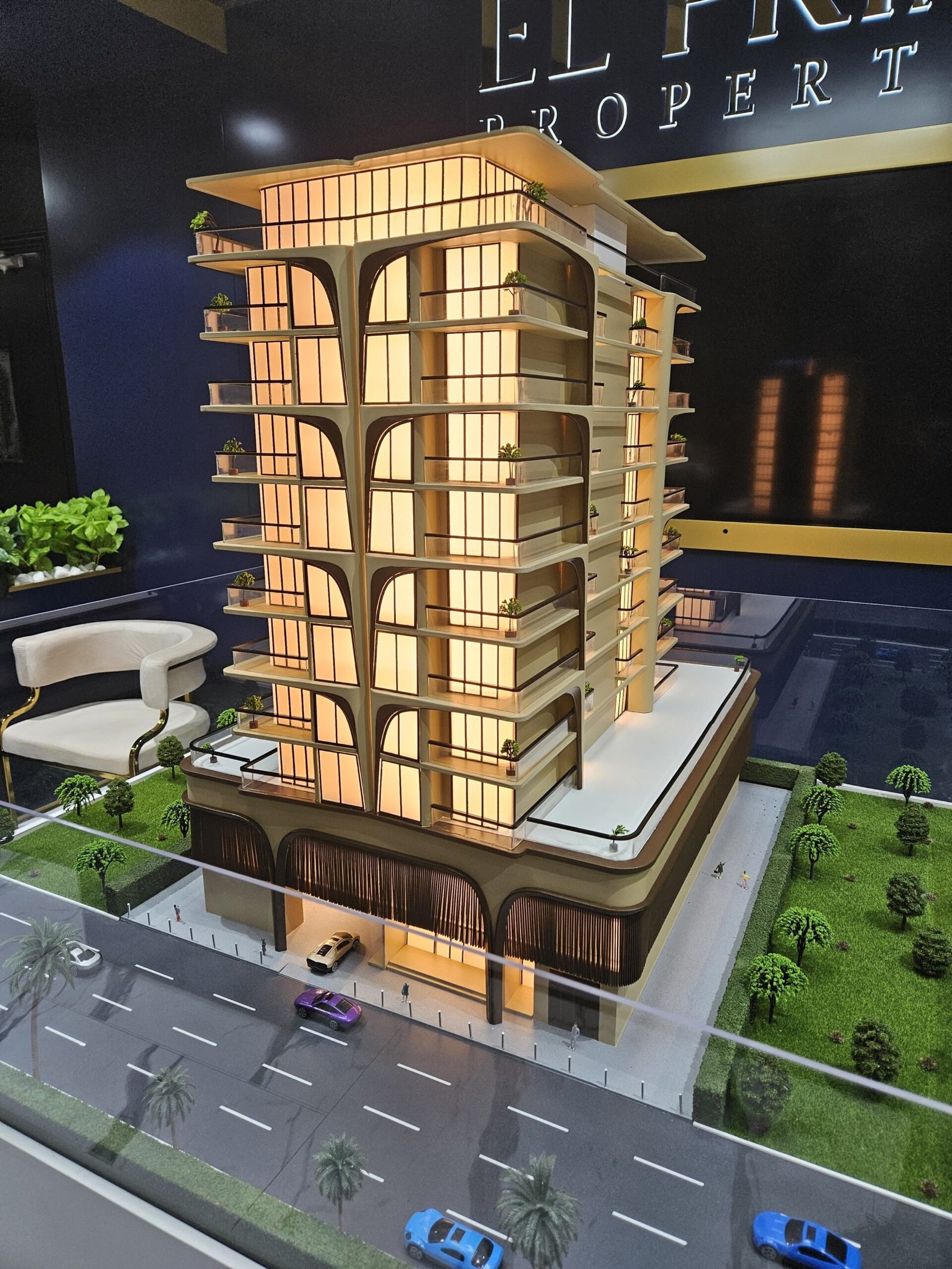
The best model making companies in Dubai follow a detailed, artistic, and highly technical process to bring concepts to life. If you’ve ever wondered how those impressive scale models at exhibitions and sales galleries are created, here’s a natural, step-by-step look inside the entire journey.
Understanding How Dubai’s Top Model Makers Bring Ideas to Life
1. Listening to the Vision
Every model begins with a conversation.
Architects, developers, or designers sit with the model-making team to share their vision—what the project is, what the model must show, and how it will be used.
Some models are designed for sales centers and must look luxurious. Others are technical and meant for engineers. In this first stage, clarity is everything. The team discusses:
- the project scale
- presentation goals
- expected level of detail
- deadlines
- lighting and interactivity requirements
This meeting sets the foundation for everything that follows.
2. Gathering Drawings and Reference Material
To ensure the model mirrors the real project, the team collects all architectural assets, including:
- CAD drawings
- 3D files
- elevations and sections
- landscaping plans
- material boards
Dubai projects are complex, so model makers study these files closely to understand proportions, unique façade elements, and design intent.
3. Creating a Digital 3D Version
Before any physical work begins, the idea takes shape digitally.
Using tools like AutoCAD, Rhino, or Revit, the company creates a detailed 3D representation of the model. This helps:
- verify accurate scaling
- identify potential structural challenges
- finalize textures and shapes
- give clients a preview
This step avoids costly changes later and ensures everyone agrees on the fine details before fabrication begins.
4. Selecting the Right Materials
Different models require different materials.
Dubai’s model makers blend durability, aesthetics, and precision by choosing materials such as:
- acrylic
- PVC
- styrene
- MDF
- resin
- 3D-printed components
A luxurious residential model may use glossy acrylic and LED lighting, while an engineering model may use more neutral, matte finishes. The material selection defines the model’s final character.
5. Fabricating Parts with CNC and Laser Technologies
Once the digital model is approved, the cutting begins.
Modern model making companies in Dubai rely on CNC routers and laser-cutting machines to produce clean, precise components. Whether it’s tiny window patterns or large base structures, these machines ensure accuracy down to the millimeter.
This stage turns digital lines into physical shapes.
6. 3D Printing for Fine Details
3D printing has become an essential part of model production.
Intricate design elements—like façade ornaments, columns, sculpted forms, or unique details—are printed using resin printers.
This allows:
- high precision
- quick production
- consistency in repetitive elements
These tiny printed components often give the model its striking realism.
7. Hand Assembly and Artistic Finishing
Even with high-end machines, the true beauty of a model lies in the craftsmanship.
Skilled artisans carefully assemble every piece by hand. They sand edges, glue components, apply textures, paint surfaces, and add finishing touches that bring the model to life. This stage may include installing:
- windows
- balconies
- railings
- rooftop elements
- interior features (if cutaway models are required)
This is where art meets engineering.
8. Landscaping and Environmental Details
For large real estate or masterplan models, the surroundings matter as much as the building.
Model makers add:
- palm trees, greenery, and shrubs
- water bodies
- roads and pathways
- miniature vehicles
- street lights and public spaces
Dubai’s models are known worldwide for their vibrant, lively landscaping. These elements give viewers a sense of scale and atmosphere.
9. Lighting and Interactive Features
Modern models often include LED lighting systems, bringing warmth and visual depth to the design.
Depending on the project, the team may install:
- internal building lighting
- street and landscape lighting
- zone-based lighting controls
- touchscreen or remote-interactive elements
- animated movement for special projects
Lighting transforms a model from static to captivating—especially in real estate galleries and exhibitions.
10. Quality Check and Final Approval
Before the model leaves the workshop, it undergoes extensive testing:
- lighting systems
- structural stability
- material finish
- color accuracy
- alignment and scale accuracy
Since Dubai projects often involve international clients, perfection is a strict requirement. Every detail is reviewed before the final handover.
11. Transport, Installation, and Maintenance
Finally, the model is carefully packed and transported to the destination—whether it’s a showroom, an office, or an exhibition space like Cityscape.
Model makers handle:
- on-site installation
- lighting configuration
- final touch-ups
- ongoing maintenance if required
Given the delicate nature of models, professional handling ensures they remain in perfect condition for years.
Conclusion
From digital design to handcrafting and lighting, the model-making process is both technical and artistic. The best model making companies in Dubai pour expertise, precision, and creativity into every project, ensuring each model tells a clear visual story.
Whether for architecture, real estate, engineering, or product design, these models help clients visualize the future—and make confident decisions along the way.


Comments
Post a Comment