Top 5 Architectural Scale Models You Must See in Dubai
Dubai is a city where imagination meets engineering — a place where architectural dreams become breathtaking realities. From the towering Burj Khalifa to the futuristic Museum of the Future, every landmark tells a story of ambition, innovation, and design excellence.
But behind every iconic structure lies a masterpiece in miniature — an architectural scale model that brought the vision to life long before construction began. These models serve as powerful storytelling tools, helping architects, developers, and investors visualize the final project in extraordinary detail.
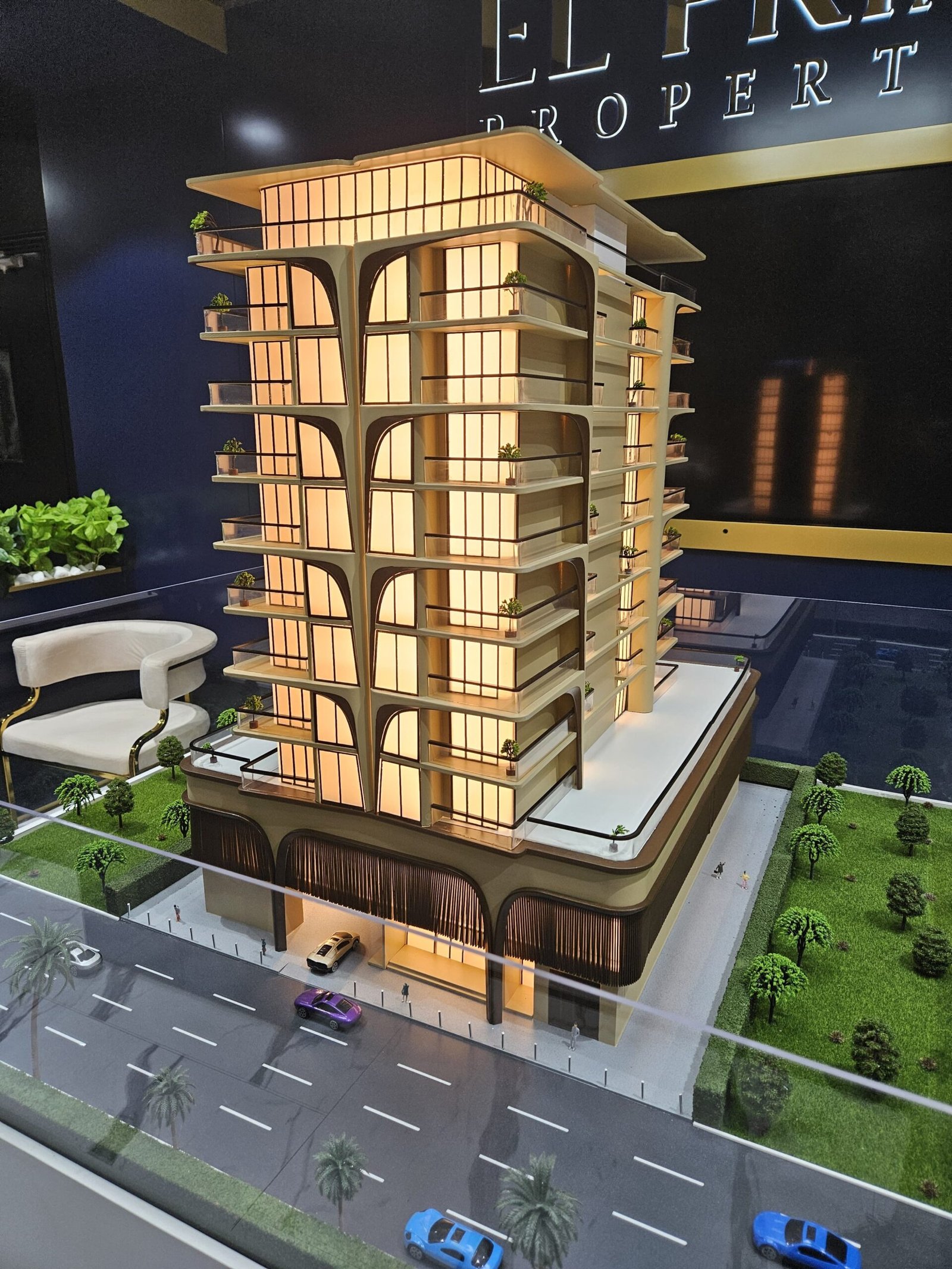
Today, architectural scale models in Dubai have evolved into works of art, blending cutting-edge technology with impeccable craftsmanship. In this blog, we’ll explore the top 5 architectural scale models you must see in Dubai, uncover the creative process behind them, and explain why these models are essential to the city’s architectural evolution.
The Role of Architectural Scale Models in Dubai’s Design Legacy
Before diving into the list, it’s important to understand why architectural scale models hold such importance in Dubai’s architectural landscape.
In a city defined by record-breaking projects and futuristic visions, developers need tangible tools to communicate design intent, attract investors, and engage clients.
That’s where architectural scale models Dubai come in. They bridge the gap between imagination and reality — allowing stakeholders to explore a 3D version of the design, assess scale, materials, lighting, and urban context.
1. Burj Khalifa – The Pinnacle of Architectural Modeling
No list would be complete without the Burj Khalifa, the world’s tallest building and one of Dubai’s most recognized landmarks.
Before this megastructure pierced the sky, a highly detailed architectural scale model played a crucial role in visualizing the project. This model helped engineers and investors understand how the building would interact with its environment, handle wind flow, and achieve its iconic tapering form.
Why It’s Special
- The Burj Khalifa model showcases meticulous detailing — from the reflective façade to the spiral tower structure.
- It uses precision lighting to replicate how sunlight and shadows change throughout the day.
- The model is a perfect example of how architectural visualization supports engineering precision and investor confidence.
2. Museum of the Future – Where Design Meets Innovation
The Museum of the Future is more than a building — it’s an architectural statement. Designed by architect Shaun Killa, its torus-shaped form represents humanity, technology, and innovation.
To convey such a bold concept, the project relied on an advanced 3D architectural model that showcased the building’s intricate geometry and illuminated Arabic calligraphy façade.
Highlights
- The model integrates 3D printing and CNC fabrication, symbolizing Dubai’s embrace of digital craftsmanship.
- Built to scale, it captures every curve, pattern, and reflection of the real structure.
- The model is often used in presentations and exhibitions to demonstrate Dubai’s leadership in parametric design and sustainable construction.
3. Palm Jumeirah – A Masterpiece of Urban Planning
The Palm Jumeirah model is one of Dubai’s most famous and intricate urban scale models. Before the first foundation was laid, developers used an enormous architectural masterplan model to showcase the artificial island’s unique design — shaped like a palm tree surrounded by a crescent breakwater.
What Makes It Stand Out
- The model spans several meters and includes residential villas, hotels, beaches, and infrastructure details.
- It helped potential investors and homeowners visualize the layout of the man-made island and understand its connectivity to the mainland.
- Advanced lighting and animation were used to simulate the island’s nighttime landscape, enhancing marketing and sales presentations.
4. Dubai Creek Tower – A Vision for the Future
Set to surpass the Burj Khalifa in height, the Dubai Creek Tower represents the future of architectural ambition in Dubai. Even though the project is still under development, its scale model has already captured global attention.
Designed by Santiago Calatrava, this model stands as a showpiece of engineering imagination and a symbol of Dubai’s skyline evolution.
Key Features
- The model stands several meters tall, constructed with laser-cut acrylic and metal.
- Integrated LED lighting highlights the tower’s elegant design and cable system.
- The surrounding landscape model illustrates the Dubai Creek Harbour masterplan, giving viewers a sense of scale and proportion.
Why It’s a Must-See: This architectural scale model demonstrates how visual storytelling helps the public and investors connect emotionally with a yet-to-be-built project.
5. Expo 2020 Dubai Site Model – A Celebration of Global Design
The Expo 2020 Dubai masterplan model is one of the largest and most detailed architectural scale models in Dubai. Built to represent the entire 438-hectare site, it showcases pavilions from over 190 participating countries, including the now-iconic Al Wasl Plaza.
Key Highlights
- The model incorporates interactive lighting and projection mapping, bringing the site to life for presentations and exhibitions.
- Each pavilion was meticulously recreated to reflect its unique architectural identity.
- The model played a crucial role in site planning, logistics, and visitor flow optimization during the event’s development.
How Architectural Scale Models Drive Dubai’s Design Excellence
1. Enhancing Communication and Visualization
Architectural scale models allow clients and developers to visualize projects in three dimensions, making design discussions more productive and insightful.
2. Supporting Marketing and Investment
High-quality models are a vital part of real estate exhibitions and investor presentations, allowing buyers to connect emotionally with a project before construction.
3. Reducing Design Errors
By physically representing scale and proportions, these models help architects identify potential design challenges before construction begins.
4. Encouraging Innovation
Dubai’s model-making companies use 3D printing, CNC milling, and laser cutting, pushing the boundaries of what’s possible in architectural visualization.
Choosing the Right Architectural Model Making Company in Dubai
If you’re a developer or architect looking to showcase your next big project, working with a professional model making company is key.
Here’s what to look for:
✅ Experience and portfolio – Check their past projects and sectors.
✅ Technology and materials – Ensure they use 3D printing, resin, and laser cutting for precision.
✅ Customization options – Look for companies that tailor models to your branding and goals.
✅ After-sales support – A reliable partner will help maintain and update your model over time.
Tip: Leading firms like Macoma Tech and other Dubai-based model makers offer turnkey solutions — from concept to installation — combining artistry with engineering accuracy.
Conclusion
Dubai’s skyline is a living gallery of innovation, and its architectural scale models are the creative blueprints behind that evolution. From the Burj Khalifa’s majestic form to the Museum of the Future’s bold geometry, these models tell stories of vision, collaboration, and design mastery.
Whether you’re an architect, investor, or simply an admirer of urban innovation, exploring these architectural scale models in Dubai offers a deeper appreciation for the craftsmanship and technology that shape the city’s modern identity.
As Dubai continues to expand its architectural horizons, these models will remain the bridge between imagination and reality—inspiring the next generation of visionary projects.
FAQs About Architectural Scale Models in Dubai
Q1. What are architectural scale models used for?
A: They are used to visualize building designs, communicate ideas to clients, attract investors, and identify design challenges before construction.
Q2. How are architectural scale models made?
A: Professional model making companies in Dubai use technologies like 3D printing, laser cutting, and CNC milling to achieve precision and realism.
Q3. What materials are commonly used?
A: Materials include acrylic, resin, wood, metal, and plastic composites, often combined with LED lighting for visual impact.
Q4. Can scale models include landscaping and lighting?
A: Yes. Advanced models include interactive lighting, moving elements, and detailed landscaping to replicate real environments.
Q5. Why is Dubai known for architectural scale models?
A: Dubai’s rapid architectural growth and global reputation for innovation have made it a hub for world-class model making companies that blend creativity with technology.


Comments
Post a Comment