How Scale Model Making Companies in UAE Bring Architectural Visions to Life
In the heart of the Middle East's architectural renaissance, the United Arab Emirates stands as a testament to human ambition and innovation. From the iconic Burj Khalifa to sprawling master-planned communities, every groundbreaking project begins with a vision. But how do architects, developers, and investors transform abstract concepts into tangible reality? The answer lies in the expertise of scale model making companies in UAE, which serve as the critical bridge between imagination and execution.
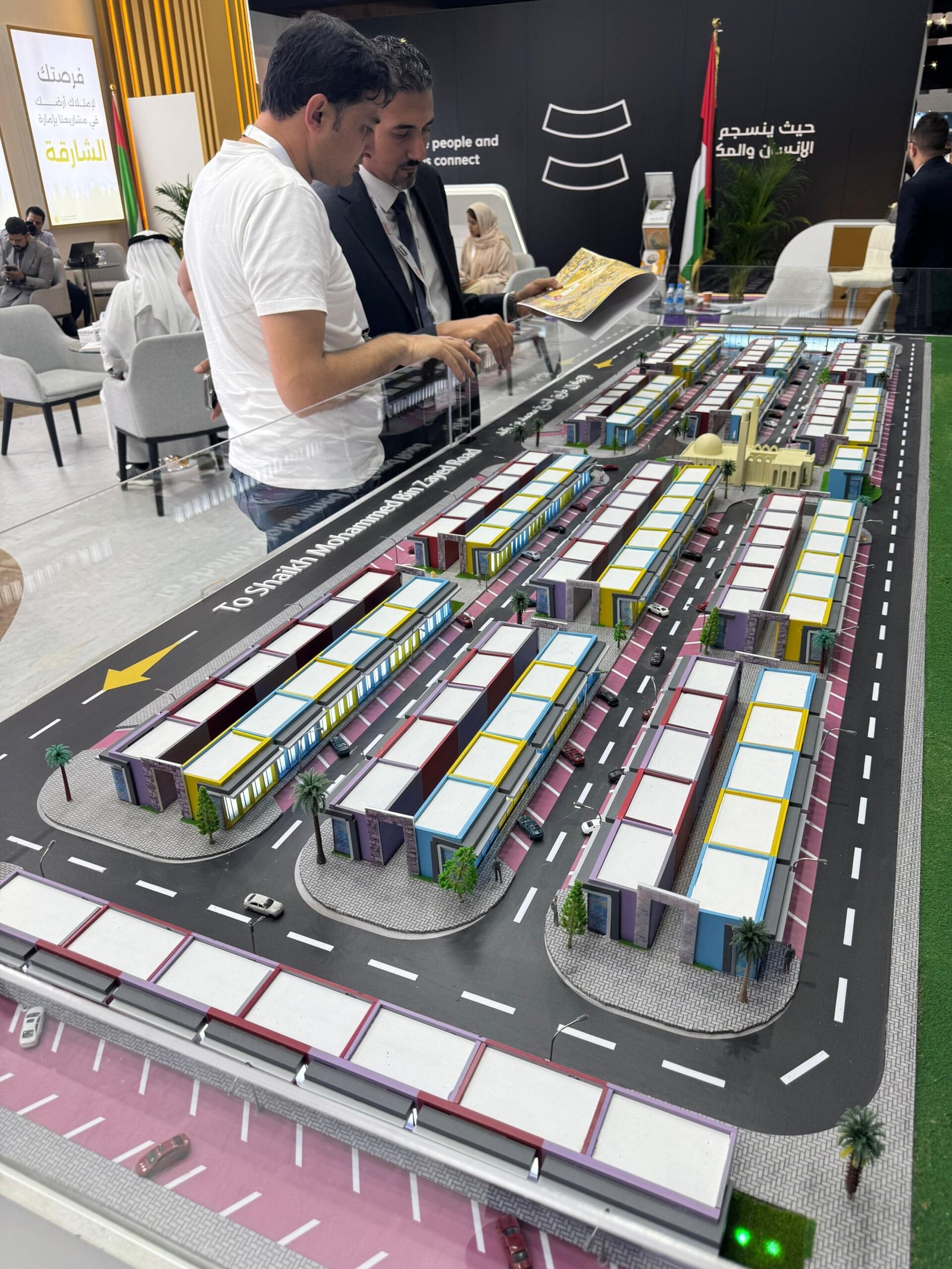
These specialized firms have become indispensable partners in the region's construction boom, crafting precise miniature representations that allow stakeholders to visualize, refine, and perfect their projects before breaking ground.
The Art and Science Behind Architectural Scale Models
Scale model making is far more than simply creating miniature buildings. It's a sophisticated blend of artistic craftsmanship and technical precision that requires deep understanding of architecture, materials, and design principles.
Precision Engineering Meets Artistic Vision
Professional model makers in the UAE employ cutting-edge technology alongside traditional craftsmanship to produce models that are:
- Accurate to the millimeter in scale representation
- Detailed with realistic textures, colors, and finishes
- Equipped with lighting systems that showcase day and night scenarios
- Built using materials ranging from acrylic and wood to advanced 3D-printed components
This combination ensures that every model doesn't just look impressive—it serves as a functional tool for decision-making and communication.
Why Dubai and Abu Dhabi Lead in Scale Model Innovation
The UAE's position as a global architectural hub has naturally fostered a thriving scale model industry. The region's ambitious projects demand visualization tools that can match their scale and complexity.
Meeting the Demands of Mega-Projects
From luxury residential towers to entire smart cities, UAE developments often push the boundaries of what's possible. Scale models help stakeholders:
- Understand spatial relationships and proportions
- Identify potential design issues before construction
- Present concepts to investors and government authorities
- Market properties to prospective buyers
The tactile nature of physical models creates an emotional connection that digital renderings alone cannot achieve, making them invaluable for high-stakes presentations.
The Process: From Blueprint to Miniature Masterpiece
Creating an architectural scale model involves a meticulous multi-stage process that typically unfolds over several weeks or months, depending on complexity.
Step 1: Consultation and Planning
Model makers begin by studying architectural drawings, CAD files, and design specifications. They consult with architects to understand the project's key features and determine the appropriate scale—commonly 1:100, 1:200, or 1:500 for larger developments.
Step 2: Material Selection and Fabrication
Different elements require different materials:
- Building structures: Acrylic, wood, or high-grade plastics
- Landscaping: Textured materials, miniature trees, and ground cover
- Water features: Clear resins with LED lighting
- Roads and pathways: Precise laser-cut details
Step 3: Assembly and Detailing
Skilled artisans assemble components with microscopic attention to detail, adding elements like:
- Window glazing and balcony railings
- Parking areas with miniature vehicles
- Human figures to demonstrate scale
- Lighting systems for dramatic presentations
Step 4: Quality Control and Delivery
Before delivery, each model undergoes rigorous inspection to ensure accuracy and durability, particularly important for models displayed in sales centers or exhibitions.
Technologies Transforming the Industry
Modern scale model companies in the UAE leverage advanced technologies to enhance precision and reduce production time.
3D Printing Revolution: Complex architectural elements can now be printed with incredible detail, enabling intricate facades and unique structural features that would be difficult to craft by hand.
Laser Cutting Precision: Computer-controlled laser cutters ensure millimeter-perfect accuracy for repetitive elements like windows, panels, and decorative features.
CNC Machining: For larger structural components, CNC machines carve materials with unmatched consistency and precision.
Interactive Elements: Some models now incorporate touch-screen interfaces, AR overlays, and motorized components that bring developments to life in sales presentations.
The Business Value of Professional Scale Models
For developers and architects, investing in quality scale models delivers measurable returns:
- Faster Approvals: Regulatory authorities can better understand project scope and impact
- Enhanced Marketing: Physical models create memorable experiences for potential buyers
- Improved Design: Three-dimensional visualization reveals issues invisible in 2D drawings
- Stakeholder Alignment: Models ensure everyone shares the same vision
In competitive markets like Dubai and Abu Dhabi, a stunning scale model can be the difference between a project that secures funding and one that doesn't.
Conclusion
As the UAE continues to redefine urban skylines and push architectural boundaries, scale model making companies in UAE remain essential partners in the development process. These specialized firms transform abstract visions into tangible miniature worlds, enabling better design decisions, more effective communication, and more successful projects.
Whether you're an architect seeking to showcase your latest design, a developer presenting to investors, or a government entity planning urban infrastructure, professional scale models provide the clarity and impact necessary to bring architectural visions to life. In a region built on ambition and innovation, these miniature masterpieces continue to play an outsized role in shaping the future.
Frequently Asked Questions
Q: How long does it take to create an architectural scale model? A: The timeline varies based on complexity, but most models take between 3-8 weeks. Simple residential buildings may require less time, while detailed mixed-use developments or master-planned communities can take several months.
Q: What is the typical cost of a professional scale model in the UAE? A: Costs range from AED 15,000 for basic models to AED 500,000+ for large, highly detailed master plan models with interactive features. Factors affecting price include size, scale, detail level, materials, and special features like lighting.
Q: Can scale models be updated if the design changes? A: Yes, most professional model makers design models with modular components that allow for updates and modifications as projects evolve, though significant changes may require partial reconstruction.
Q: What scales are most commonly used for architectural models? A: Common scales include 1:50 for detailed building sections, 1:100 or 1:200 for individual buildings, and 1:500 to 1:2000 for master plans and urban developments.
Q: Do digital 3D models replace the need for physical scale models? A: While digital models are valuable, physical scale models offer unique benefits including tactile interaction, no technology barriers, and stronger emotional impact during presentations. Many projects use both for maximum effectiveness.


Comments
Post a Comment