Tips for Choosing the Best Architectural Model Makers in Dubai for Large-Scale Projects
I've spent years watching Dubai transform from desert to one of the world's most ambitious architectural landscapes. During this time, I've learned that behind every successful mega-project presentation sits a physical model that does more than just look impressive—it tells a story, solves problems, and brings people together around a shared vision.
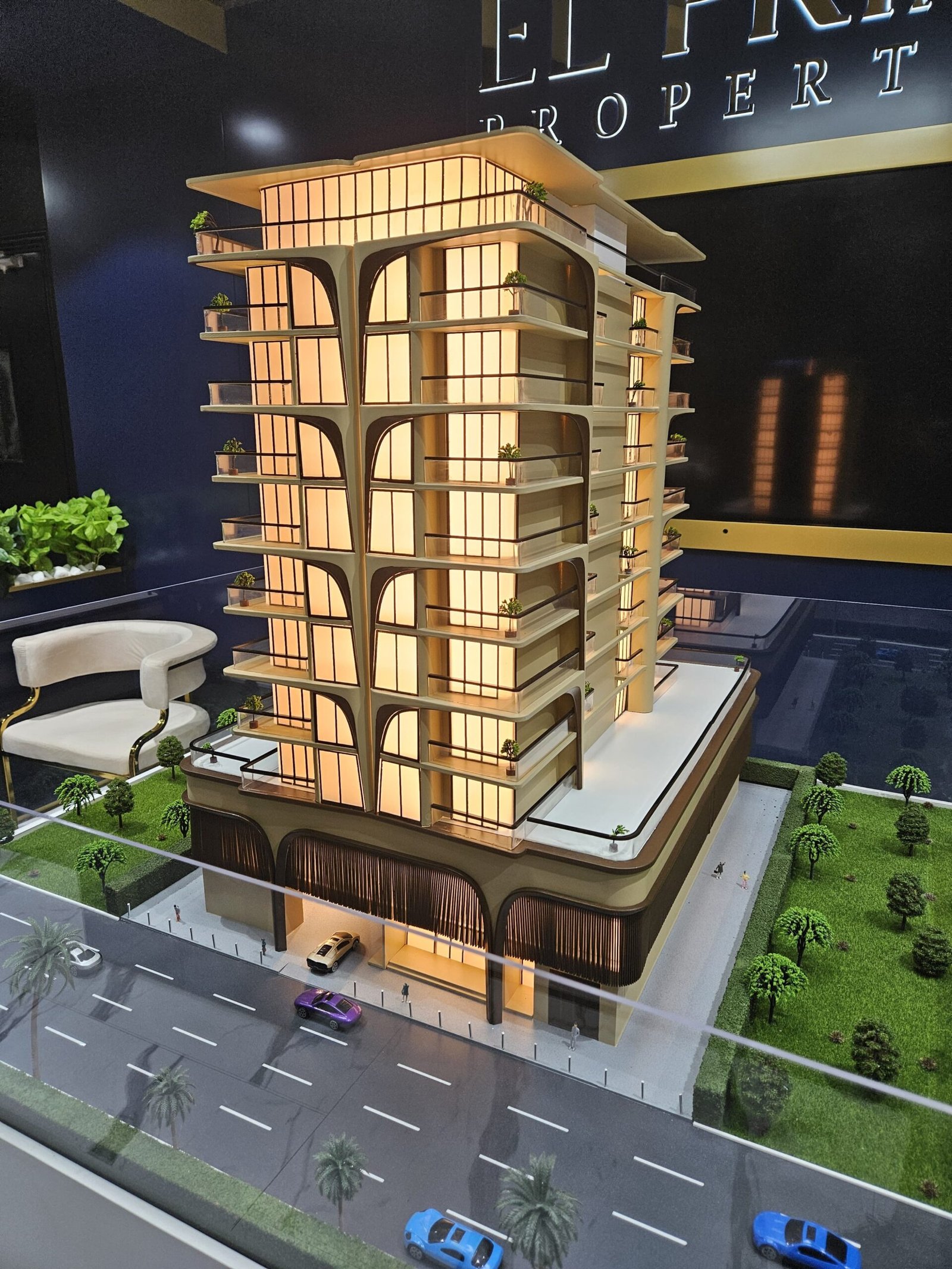
If you're managing a large-scale development in Dubai, you already know the stakes are high. The model you choose to represent your project isn't just a miniature building; it's a communication tool that will face scrutiny from investors, government officials, potential buyers, and your own team. Getting it right matters, and that starts with choosing the right architectural model making company Dubai has to offer.
Why Large-Scale Projects Demand a Different Approach
Let me be clear about something: creating a model for a single villa is fundamentally different from building a scale representation of a mixed-use development spanning several city blocks. The complexity multiplies exponentially when you're dealing with master plans, multiple towers, intricate infrastructure, and detailed landscaping.
Large-scale projects require model makers who can think systematically, manage complex logistics, and maintain consistency across thousands of individual components. I've seen projects stumble because companies that excelled at smaller work simply couldn't scale their processes effectively.
Start with Their Track Record on Similar Projects
This might seem obvious, but you'd be surprised how many project managers skip this step. When evaluating any architectural model making company Dubai businesses rely on, dig deep into their portfolio. Don't just glance at pretty pictures—ask specific questions.
Have they handled projects of comparable scale? A company that's built residential tower models may struggle with a massive waterfront development that includes marinas, retail districts, and transportation infrastructure. Look for evidence that they've successfully delivered projects with similar complexity levels.
I remember visiting a model making facility where they had photographs of previous large-scale projects displayed prominently. What impressed me wasn't just the finished models, but the behind-the-scenes shots showing their systematic approach to breaking down complex projects into manageable phases.
Assess Their Physical Infrastructure
Here's something most selection guides won't tell you: visit their workshop. Seriously. A company bidding for a large-scale project should have adequate space, proper equipment, and organized workflows.
I once evaluated two companies for a major development model. On paper, they looked similar. The workshop visits told a completely different story. One operated from a cramped space with equipment squeezed into every corner. The other had dedicated zones for different fabrication processes, climate-controlled areas for sensitive materials, and ample space for assembling large models.
Guess which one delivered on time without quality compromises?
For large-scale projects, an architectural model making company Dubai teams trust should have:
Space to accommodate multiple work zones simultaneously. Your project will likely have several components being fabricated in parallel—towers, podiums, landscaping, infrastructure. They need room to work on all of these without creating bottlenecks.
Professional-grade equipment that goes beyond basic tools. CNC machines for precision cutting, laser cutters for intricate details, and industrial-grade 3D printers for complex geometries aren't luxuries—they're necessities for large-scale work.
Proper storage and assembly areas. Large models aren't built in a day. Components need to be stored safely during the fabrication process, and there must be adequate space for final assembly and quality checks.
Technology Matters, But So Does Human Expertise
Dubai's model making industry has embraced technology enthusiastically, and that's generally positive. 3D printing, laser cutting, and CNC machining have revolutionized what's possible. But I've learned that the best results come from companies that balance technology with traditional craftsmanship.
An experienced architectural model making company Dubai developers recommend will use 3D printing for complex structural elements where precision is paramount, but they'll also employ skilled craftspeople for hand-finishing, painting, and detail work that machines simply can't replicate with the same quality.
I watched a master craftsman spend an entire afternoon hand-painting miniature window frames on a tower model. Could they have been printed? Sure. Would they have looked as convincing? Not even close. That attention to detail separates adequate models from exceptional ones.
When evaluating companies, ask about their team composition. A healthy mix of CAD designers, machine operators, and traditional model makers usually indicates a versatile, well-rounded capability.
Project Management Capabilities Are Non-Negotiable
Large-scale projects involve hundreds of decisions, countless components, and multiple stakeholders. Without robust project management, even the most talented fabrication team will struggle.
Look for companies that assign dedicated project managers to large-scale work. This person becomes your single point of contact and is responsible for coordinating all aspects of the model's development.
During one particularly complex project, our project manager maintained a detailed schedule with clear milestones, sent weekly progress reports with photographs, and flagged potential issues before they became problems. That level of organization kept everyone aligned and the project on track.
Ask potential partners how they handle:
Design iterations: Large projects rarely have static designs. How do they manage changes and updates without derailing schedules?
Quality control: What checkpoints exist throughout the fabrication process? Who reviews work at each stage?
Stakeholder communication: How will they keep you informed? What happens if you need to show progress to your own clients or investors?
Problem-solving: When unexpected challenges arise—and they will—how does their team approach solutions?
Material Selection and Durability Considerations
Large-scale models require different material considerations than smaller projects. They're heavier, more complex, and often need to withstand more handling and transportation.
A knowledgeable architectural model making company Dubai professionals work with should guide you through material choices based on your specific needs. Will the model be permanently displayed in a sales office? Transported to exhibitions? Stored and retrieved multiple times?
I've seen beautiful models that looked stunning initially but didn't age well because improper materials were selected. Acrylic that yellowed under showroom lighting. Delicate components that broke during the third transport. Paint finishes that chipped with minimal handling.
For large-scale work, ask about:
Base materials: What do they recommend for the foundation? How much weight can it support? Is it designed for long-term stability?
Structural elements: How are towers and tall buildings reinforced internally? What prevents warping or bending over time?
Detachable sections: For very large models, some components may need to be removable for transport. How is this engineered to maintain structural integrity?
Protective measures: What coatings or treatments protect the model from dust, UV exposure, and handling damage?
Timeline Realism and Buffer Planning
I can't stress this enough: be skeptical of companies that promise unrealistically fast turnarounds for large-scale models. Quality work takes time, and rushing almost always compromises results.
A reputable architectural model making company Dubai has on its roster should provide a detailed timeline that accounts for:
- Design development and client approvals
- Material procurement
- Fabrication of individual components
- Assembly and integration
- Quality control reviews
- Finishing and detailing
- Final inspection and delivery
For reference, a large mixed-use development model might realistically take 8-12 weeks from design approval to delivery. Companies promising half that time are either exceptionally well-resourced or cutting corners somewhere.
Always discuss buffer time. What happens if a critical material is delayed? If design changes occur mid-production? If quality issues are discovered during assembly? Companies with experience on large projects build contingency into their schedules.
Communication Style and Collaboration Approach
This might sound soft compared to technical specifications, but I've found that communication compatibility significantly impacts project success.
Large-scale projects involve numerous conversations, decisions, and clarifications. You need a partner whose communication style meshes with yours. Some companies are highly structured, preferring scheduled updates and formal documentation. Others are more fluid, offering quick responses and informal check-ins.
During selection, pay attention to how potential partners communicate. Are they responsive? Do they ask thoughtful questions that reveal deep understanding of your needs? Do they offer suggestions and alternatives, or simply agree with everything you say?
I've worked with an architectural model making company Dubai clients frequently choose specifically because their team asks challenging questions. They pushed back when our initial design concepts wouldn't translate well to physical form. They suggested alternatives we hadn't considered. That collaborative spirit improved the final result significantly.
Cost Structure Transparency
Large-scale projects represent significant investments. You deserve clear understanding of what you're paying for.
Beware of companies offering suspiciously low quotes. Large-scale models require substantial material quantities, extensive labor hours, and sophisticated processes. Quotes significantly below market rate should raise questions about corners being cut.
Better companies provide detailed breakdowns showing:
- Design and engineering hours
- Material costs by category
- Fabrication and assembly labor
- Finishing and detailing work
- Base and display case elements
- Delivery and installation services
This transparency helps you understand value and make informed decisions about where to invest or economize if budget pressures arise.
The Installation and After-Delivery Support Factor
Your relationship with your model maker shouldn't end when they deliver the model. Large-scale models often require professional installation, and ongoing support matters.
Will they install the model at your location? What happens if components are damaged during transport? Do they offer maintenance services or repair capabilities?
I've seen companies deliver stunning models and then disappear when installation challenges arose. The best architectural model making company Dubai teams work with provide comprehensive support, including installation supervision, staff training on proper handling, and ongoing maintenance options.
Making Your Decision
Choosing a partner for your large-scale architectural model is ultimately about finding the right combination of technical capability, project management sophistication, and collaborative compatibility.
Don't rush the decision. Request proposals from multiple companies, visit their facilities, speak with references, and trust your instincts about which team you'll work best with over the coming months.
At Macoma Tech, we've built our reputation on successfully delivering complex, large-scale architectural models that exceed client expectations. Our combination of advanced 3D printing technology, traditional craftsmanship, and systematic project management has made us a trusted architectural model making company Dubai developers turn to for their most ambitious projects.
Large-scale developments deserve representation that matches their ambition. Choose a partner who shares your commitment to excellence, and your model will become a powerful tool for realizing your vision.
Final Thoughts
Dubai's architectural landscape continues pushing boundaries. The models representing these ambitious projects should do the same. Whether you're planning a new business district, a luxury residential community, or a mixed-use megaproject, the right model maker becomes a crucial partner in bringing your vision to life.
Take the selection process seriously, ask tough questions, and choose a architectural model making company in Dubai that demonstrates both technical excellence and genuine understanding of what your large-scale project demands. Your future clients, investors, and stakeholders will thank you when they see a model that truly captures the scale and sophistication of your development.


Comments
Post a Comment