Why Physical Models Beat Digital Renderings in Client Presentations
In Dubai's competitive real estate and development landscape, first impressions can determine whether a billion-dirham project moves forward or stalls indefinitely. While digital renderings have become ubiquitous in architectural presentations, savvy developers and architects are rediscovering the unmatched power of physical scale models. Despite living in an increasingly digital world, the tangible experience offered by professional scale model making Dubai companies continues to outperform even the most photorealistic 3D visualizations when it comes to winning clients and closing deals.
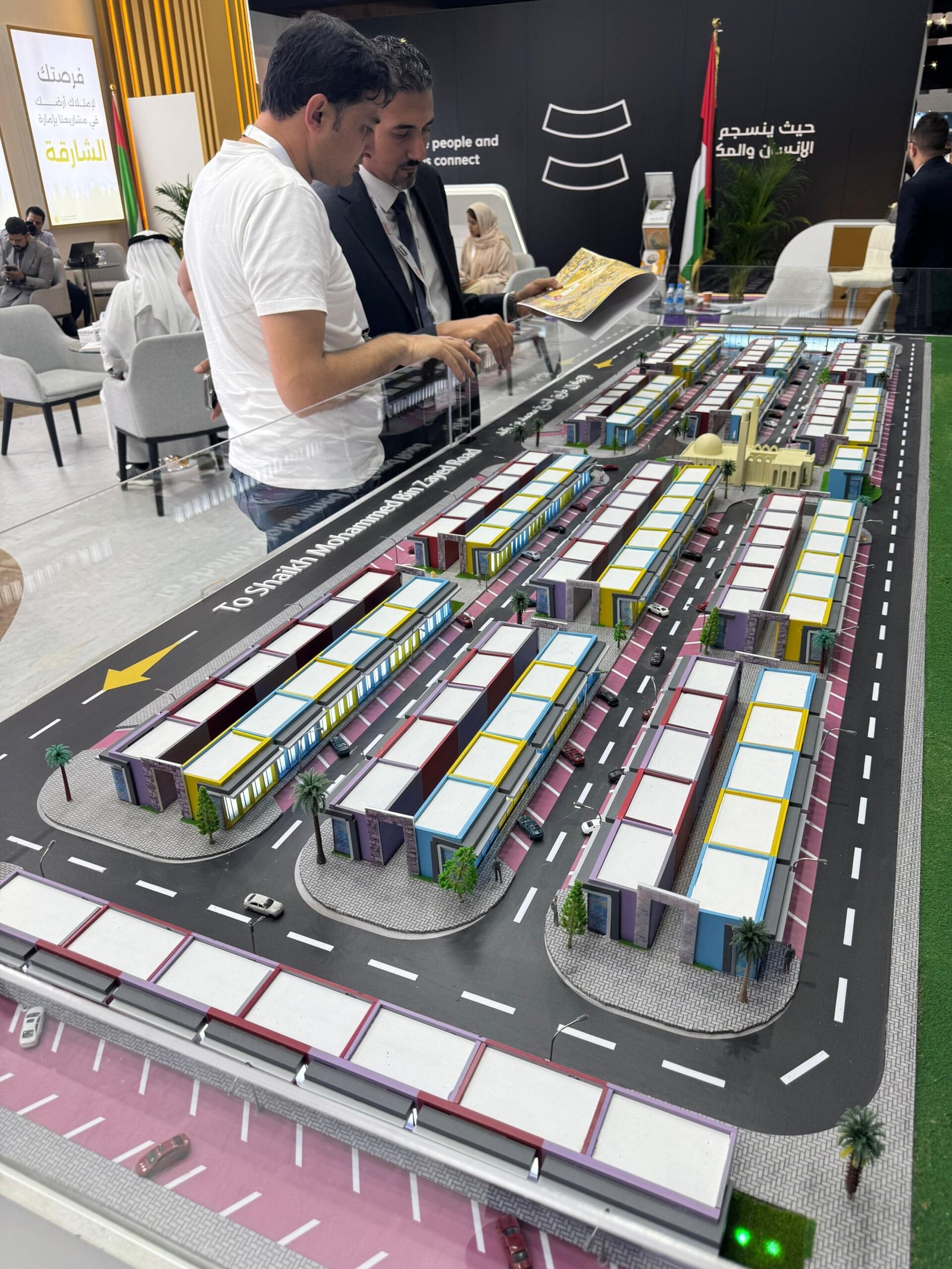
The Tangibility Factor: Why Touch Matters
Human beings are tactile creatures. We evolved over millennia to understand our world through physical interaction, and this fundamental aspect of our psychology doesn't disappear in a conference room. When clients can walk around a scale model, viewing it from different angles and perspectives, they engage with the project in ways that scrolling through digital images simply cannot replicate.
Scale model making Dubai experts understand this principle intimately. A physical model occupies real space, commands attention, and creates a focal point that naturally draws people together. Unlike a screen that clients view passively, a scale model invites interaction. Stakeholders lean in, point to specific features, and discuss elements while physically gesturing toward the model itself. This active engagement transforms presentations from one-way information delivery into collaborative conversations.
The psychological impact of this tangibility cannot be overstated. When clients touch or closely examine a model, they begin to take ownership of the project mentally. It becomes real to them in ways that digital renderings, no matter how sophisticated, struggle to achieve. This emotional connection often proves decisive in approval processes and investment decisions.
Spatial Understanding without the Learning Curve
Digital renderings, particularly 3D walkthroughs and virtual reality presentations, require clients to possess a certain level of technological comfort and spatial imagination. Not everyone finds it easy to translate what they see on a screen into an understanding of real-world spaces and proportions. This creates an invisible barrier between the design and stakeholder comprehension.
Physical models eliminate this barrier entirely. The spatial relationships, proportions, and scale become immediately apparent without requiring any special skills or imagination. A client who might struggle to understand floor plans or navigate a 3D rendering can instantly grasp the layout and design when viewing a well-crafted scale model. This democratization of understanding makes presentations more inclusive and effective across diverse audiences.
In Dubai's international business environment, where stakeholders often come from varied cultural and professional backgrounds, this universal comprehensibility offers tremendous value. Scale model making Dubai professionals create tools that transcend language barriers and technical knowledge gaps, ensuring everyone in the room shares the same clear understanding of the proposed design.
The Memory Advantage
Research in cognitive psychology consistently demonstrates that physical experiences create stronger, more lasting memories than digital ones. When clients experience a presentation featuring a physical scale model, they're more likely to remember key design features, project details, and overall impressions weeks or months later.
This memory retention advantage stems from the multi-sensory nature of physical model experiences. Clients don't just see the design—they perceive it through multiple channels simultaneously. The play of light across miniature facades, the shadows cast by tower elements, the texture of materials, and the spatial presence of the model all contribute to creating rich, memorable experiences that digital presentations cannot fully replicate.
For developers engaged in long sales cycles or projects requiring multiple approval stages, this enhanced memorability translates directly into business value. Stakeholders who vividly remember your project from a scale model presentation are more likely to champion it internally, recall it favorably during decision-making processes, and maintain enthusiasm throughout extended timelines.
Credibility and Commitment Signaling
When a development firm invests in professional scale model making Dubai services, they send a powerful signal about their seriousness and commitment to the project. Physical models represent significant investment in time, resources, and attention to detail. This investment doesn't go unnoticed by potential clients, investors, or approval authorities.
Digital renderings, while often impressive, have become commoditized. Most stakeholders have seen countless computer-generated visualizations, and they've likely encountered instances where the final built product fell short of the rendered promises. This has created a degree of skepticism around digital presentations that scale models can overcome.
A beautifully crafted physical model demonstrates that the development team has progressed beyond conceptual ideation. It shows they've worked through design challenges, considered details, and committed resources toward realizing the vision. This tangible evidence of progress and dedication builds trust and confidence in ways that even the most spectacular digital rendering cannot match.
The Group Presentation Advantage
Digital presentations often force everyone to focus on a single screen, creating a somewhat passive, classroom-like dynamic. In contrast, physical scale models create natural gathering points that facilitate more dynamic, collaborative discussions. Multiple stakeholders can simultaneously view different aspects of the model, sparking organic conversations and observations.
Scale model making Dubai companies design their models specifically to facilitate these group interactions. The scale, positioning, and presentation of the model encourage clients to move around, discuss features with colleagues, and engage in the kind of active dialogue that leads to better understanding and stronger buy-in.
This is particularly valuable in Dubai's consensus-driven business culture, where major decisions often involve multiple stakeholders with varying priorities and perspectives. A physical model provides a neutral focal point that helps align these different viewpoints and facilitates constructive discussion.
Handling Complexity with Clarity
Dubai's architectural projects often feature extraordinary complexity—mixed-use developments spanning multiple phases, supertall towers with intricate facades, or sprawling masterplans integrating diverse functions. Communicating this complexity clearly poses challenges that physical models address more effectively than digital alternatives.
While digital renderings typically show single viewpoints or predetermined camera paths, scale models present the entire design simultaneously. Clients can quickly grasp how different components relate to each other, understand phasing strategies, and appreciate the overall composition without navigating through multiple screens or presentations.
Expert scale model making Dubai professionals use techniques like removable sections, layered elements, and strategic lighting to reveal complexity gradually without overwhelming viewers. This allows presenters to control the information flow while maintaining the complete picture's accessibility—a balance that purely digital presentations struggle to achieve.
The Prestige Factor in Dubai's Market
Dubai's development market operates at the intersection of ambition and luxury. Projects here aren't just buildings—they're statements, landmarks, and legacies. In this context, the presentation medium itself communicates volumes about the project's caliber and the team's capabilities.
A meticulously crafted scale model conveys prestige and attention to detail that aligns with Dubai's luxury market expectations. It demonstrates that the development team understands and respects the high standards that define the emirate's built environment. This alignment of presentation quality with project ambition creates coherence that strengthens the overall pitch.
Conclusion
While digital technology continues advancing, the fundamental aspects of human psychology and communication remain constant. Physical scale models tap into these timeless elements in ways that digital renderings, despite their convenience and visual appeal, cannot fully replicate. The tangibility, spatial clarity, memorability, credibility, and collaborative potential of scale models make them irreplaceable tools in high-stakes client presentations.
For developers and architects operating in Dubai's competitive market, partnering with experienced scale model making Dubai professionals isn't merely about creating beautiful miniatures—it's about leveraging proven psychological principles and communication strategies that consistently deliver superior results. In a city that built its reputation on turning ambitious visions into reality, the physical scale model remains the most powerful tool for bridging the gap between imagination and commitment, between concept and construction, between presentation and approval.
When the stakes are highest and the vision is most ambitious, nothing beats holding the future in your hands.


Comments
Post a Comment