From Concept to Reality: How Models Shape Dubai’s Architectural Marvels
Dubai’s skyline is more than a collection of iconic buildings—it is a physical narrative of ambition, innovation, and precision. From gravity-defying towers to expansive master-planned communities, every architectural marvel in Dubai begins as an idea. But ideas alone don’t build cities. They need to be visualized, tested, refined, and communicated clearly. This is where architectural model making in Dubai plays a defining role.
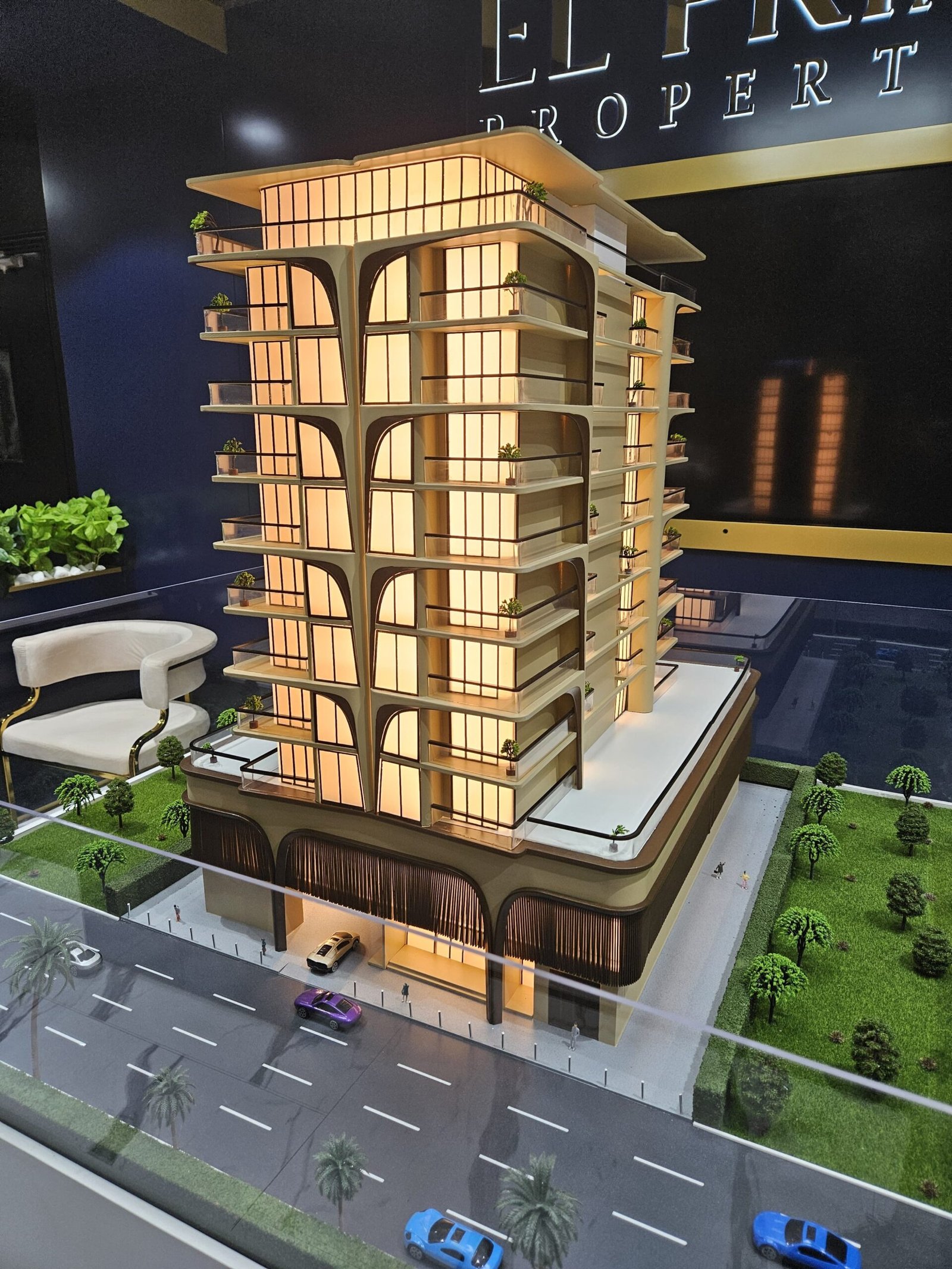
Architectural models bridge the gap between imagination and reality. They transform abstract concepts into tangible forms, helping architects, developers, investors, and authorities truly understand what a project will become—long before construction begins.
The Power of Physical Models in a Digital Age
In an era dominated by digital renderings and virtual walkthroughs, physical architectural models remain irreplaceable. While screens can show images, models allow people to experience scale, proportion, and spatial relationships in real life.
In Dubai’s competitive real estate and infrastructure landscape, architectural models are not optional—they are strategic tools. They help decision-makers:
- Visualize complex designs clearly
- Understand how buildings interact with surroundings
- Evaluate massing, height, and layout
- Make confident approvals and investments
This enduring relevance has made architectural model making in Dubai a specialized craft that combines technology with hands-on expertise.
From Vision to Volume: The Concept Stage
Every landmark in Dubai starts with a concept—often bold, ambitious, and unconventional. At this early stage, architects explore form, function, and identity. Translating these early ideas into physical models helps refine the vision.
Concept models are typically:
- Minimalistic and abstract
- Focused on massing and form
- Used for internal design discussions
Through architectural model making, vague ideas become visible volumes, allowing teams to quickly identify design strengths and challenges before moving forward.
Design Development: Refining Details Through Models
As projects evolve, designs become more detailed and technically complex. This is where architectural models shift from conceptual tools to precision instruments.
During the design development phase, architectural model making in Dubai helps:
- Test building proportions
- Study façade articulation
- Evaluate structural rhythm
- Understand spatial flow between elements
For Dubai’s mixed-use developments, where residential, commercial, hospitality, and public spaces intersect, these models are critical in achieving harmony and functionality.
Master Plan Models: Shaping Entire Communities
Dubai is known not only for individual buildings but for entire districts designed with long-term vision. Master plan models play a central role in shaping these large-scale developments.
These models illustrate:
- Road networks and accessibility
- Landscape integration
- Plot relationships and zoning
- Phasing of development
In architectural model making in Dubai, master plan models are often the centerpiece of developer showrooms and planning authority presentations, offering a bird’s-eye view of future communities.
A Tool for Communication and Collaboration
Architecture is collaborative by nature. Architects, engineers, developers, government bodies, and investors all bring different perspectives to a project. Physical models act as a common language everyone can understand.
Well-crafted architectural models:
- Reduce misinterpretation
- Speed up approvals
- Improve stakeholder alignment
- Support clear, productive discussions
In a global city like Dubai—where stakeholders often come from different cultural and professional backgrounds—architectural model making ensures clarity across the board.
Elevating Presentations and Investor Confidence
Dubai’s real estate market is highly visual and experience-driven. For high-value projects, architectural models are powerful sales and marketing assets.
Presentation models help:
- Build emotional connection with investors
- Showcase scale and luxury
- Demonstrate project credibility
- Stand out at exhibitions and launches
In this context, architectural model making in Dubai is not just about accuracy—it’s about storytelling. Lighting, landscaping, textures, and finishes all contribute to how a project is perceived.
Precision, Scale, and Craftsmanship
What sets Dubai’s architectural models apart is the level of precision expected. With complex geometries and iconic forms, even the smallest error can distort the design intent.
Professional architectural model making focuses on:
- Accurate scaling
- Clean detailing
- Consistent material finishes
- Structural realism
These qualities ensure that the model is not just visually impressive, but also technically reliable.
Blending Technology with Handcrafted Expertise
Modern architectural model making in Dubai is a fusion of advanced technology and skilled craftsmanship. Digital tools enable accuracy, while human expertise ensures refinement and realism.
This hybrid approach allows model makers to:
- Translate digital designs into physical form
- Achieve intricate detailing
- Customize finishes and textures
- Adapt quickly to design changes
The result is a model that feels both precise and alive—reflecting the spirit of Dubai’s architecture.
Supporting Sustainable and Smart Design Decisions
Architectural models also contribute to smarter, more sustainable design choices. By visualizing how buildings relate to their environment, teams can make better decisions early in the process.
Models help evaluate:
- Sun orientation and shading
- Open space planning
- Density and airflow
- Visual impact on surroundings
As sustainability becomes a growing priority, architectural model making in Dubai supports responsible urban development from the ground up.
From Model to Monument: Bringing Ideas to Life
Many of Dubai’s architectural landmarks were once just scale models displayed in studios and boardrooms. These models guided decisions, shaped discussions, and influenced final outcomes.
They serve as:
- Proof of feasibility
- Tools for persuasion
- Foundations for construction planning
In this way, architectural models are not just representations—they are stepping stones from concept to reality.
The Future of Architectural Model Making in Dubai
As Dubai continues to push architectural boundaries, the role of models will only grow stronger. Future trends point toward:
- More interactive and hybrid models
- Greater emphasis on sustainability
- Increased integration with smart design processes
Yet, despite technological advancements, the core purpose remains unchanged: helping people understand and believe in a vision.
Conclusion
Dubai’s architectural marvels don’t emerge overnight. They are shaped through careful planning, collaboration, and visualization. Architectural model making in Dubai plays a crucial role in this journey—transforming ideas into tangible forms that guide decisions and inspire confidence.
From early concepts to final presentations, architectural models remain one of the most powerful tools in turning bold visions into iconic realities. In a city defined by ambition, these models are where dreams first take shape.


Comments
Post a Comment