How 3D Model Makers in Dubai Support Green Building
Dubai has emerged as a global leader in sustainable architecture, with ambitious goals to become one of the world's most environmentally conscious cities. At the heart of this green revolution are skilled professionals who visualize, analyze, and perfect eco-friendly designs before a single brick is laid. The role of 3D model makers in Dubai has become instrumental in transforming the emirate's sustainability vision into concrete reality.
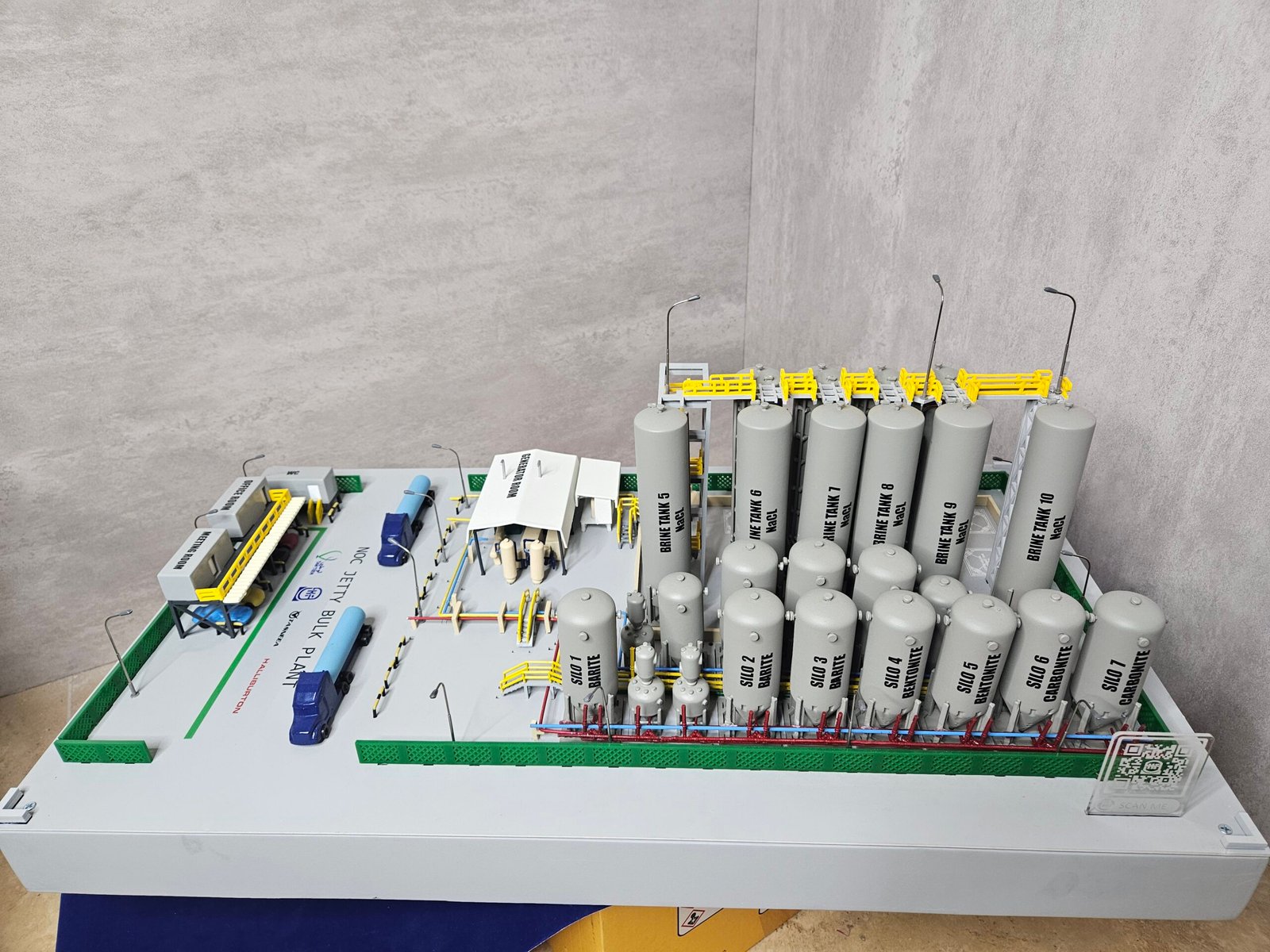
The Green Building Movement in Dubai
The UAE has set a bold target: achieving net-zero emissions by 2050. Dubai is leading this charge with initiatives like the Dubai Clean Energy Strategy and stringent green building regulations. Today, every new construction project must meet specific environmental standards, and this is where 3D model makers in Dubai become invaluable partners for architects, developers, and urban planners.
These digital craftsmen create detailed virtual representations that allow stakeholders to assess environmental impact, energy efficiency, and resource optimization long before construction begins. This proactive approach saves millions of dirhams, reduces waste, and ensures that sustainability isn't an afterthought but a foundational element of design.
Visualizing Energy Efficiency Through 3D Modeling
One of the primary contributions of 3D model makers in Dubai to green building is their ability to simulate energy performance. Using sophisticated software, these professionals create models that predict how buildings will interact with Dubai's intense sunlight, high temperatures, and specific climatic conditions.
Through these simulations, designers can test various configurations of windows, shading devices, insulation materials, and building orientations. A skilled 3D modeler can show exactly how different facade treatments will affect cooling loads, demonstrating potential energy savings in visual, easy-to-understand formats. This capability allows developers to make informed decisions about materials and design features that maximize efficiency.
For instance, 3D model makers can illustrate how strategically placed louvers or vertical gardens will reduce solar heat gain, potentially cutting air conditioning costs by significant percentages. These visual demonstrations are far more compelling than spreadsheets and help secure buy-in from investors who might otherwise hesitate at the upfront costs of green features.
Optimizing Natural Light and Ventilation
Dubai's climate presents unique challenges for sustainable design. While natural light reduces electricity consumption, excessive sunlight creates heat problems. Professional 3D model makers in Dubai excel at finding this delicate balance through daylighting analysis.
By creating accurate 3D models that incorporate geographical location, sun path analysis, and seasonal variations, these specialists help architects design spaces that maximize natural illumination while minimizing unwanted heat. They can demonstrate how clerestory windows, light shelves, and reflective surfaces will distribute daylight throughout interior spaces, reducing reliance on artificial lighting.
Similarly, 3D modeling helps optimize natural ventilation strategies. In Dubai's climate, this might seem counterintuitive, but during cooler months, properly designed natural ventilation can significantly reduce mechanical cooling needs. 3D model makers create computational fluid dynamics simulations that show air movement patterns, helping designers create buildings that breathe naturally when conditions permit.
Material Selection and Lifecycle Assessment
Sustainable building extends beyond operational efficiency to include the environmental impact of materials themselves. Forward-thinking 3D model makers in Dubai now integrate material databases into their workflows, allowing clients to visualize not just aesthetics but environmental credentials.
These digital models can display the embodied carbon of different material choices, comparing options like traditional concrete versus recycled materials or sustainably sourced alternatives. When stakeholders can see a photorealistic rendering alongside data about carbon footprint, water usage in production, and recyclability, they're better equipped to make environmentally responsible choices.
Additionally, 3D models facilitate lifecycle assessment by showing how materials will age, weather, and perform over decades. This long-term perspective is crucial for true sustainability, helping developers avoid materials that might look appealing initially but require frequent replacement or energy-intensive maintenance.
Water Conservation Visualization
Water scarcity is a critical concern in the UAE, making water-efficient design a priority for green buildings. 3D model makers in Dubai contribute to conservation efforts by modeling rainwater harvesting systems, greywater recycling infrastructure, and efficient irrigation for landscaping.
These models help designers integrate water management systems seamlessly into architectural plans. A 3D visualization can show how rooftop catchment areas connect to filtration systems and storage tanks, all while maintaining aesthetic appeal. For landscape architects, 3D models demonstrate how drought-resistant plants and smart irrigation systems will look and function, encouraging developers to embrace xeriscaping and native plant species.
Supporting LEED and Green Building Certifications
Dubai has embraced international green building standards, particularly LEED certification and the locally developed Dubai Green Building System. Achieving these certifications requires extensive documentation and proof of sustainable design features. 3D model makers in Dubai have become essential partners in this certification process.
Detailed 3D models provide the visual evidence needed for certification submissions, clearly documenting sustainable features like green roofs, renewable energy installations, efficient HVAC systems, and sustainable site development. Many 3D modeling professionals now specialize in creating documentation-ready visualizations that meet the specific requirements of various green building rating systems.
These models also facilitate communication with certification bodies, helping reviewers understand complex integrated systems and innovative sustainability strategies that might be difficult to convey through traditional documentation alone.
Virtual Reality for Stakeholder Engagement
An emerging trend among 3D model makers in Dubai is the use of virtual reality to promote sustainable design. By converting 3D models into immersive VR experiences, these professionals allow clients, investors, and community members to virtually walk through green buildings before construction.
This technology proves particularly powerful for demonstrating features that might not photograph well in traditional renderings, such as natural ventilation flows, daylighting quality at different times of day, or the experiential benefits of biophilic design elements. When stakeholders can experience sustainability rather than just read about it, they become enthusiastic advocates rather than skeptical observers.
Reducing Construction Waste Through Precision
Perhaps one of the most practical contributions of 3D model makers in Dubai to sustainability is waste reduction. Detailed 3D models enable precise quantity takeoffs and construction planning, minimizing material over-ordering and reducing the construction waste that typically ends up in landfills.
Building Information Modeling, a specialized form of 3D modeling, creates intelligent models where every component is tagged with specifications, quantities, and installation information. Contractors can use these models for prefabrication and modular construction approaches that generate far less waste than traditional building methods.
The Future of Green Building Visualization
As Dubai continues its sustainability journey, the role of 3D model makers will only expand. Emerging technologies like artificial intelligence, real-time environmental simulation, and integration with Internet of Things sensors promise even more sophisticated tools for designing and visualizing green buildings.
The next generation of 3D model makers in Dubai is already exploring how models can be connected to actual building performance data, creating digital twins that not only visualize design intent but also monitor and optimize ongoing sustainability performance.
Conclusion
The contribution of 3D model makers in Dubai to the green building movement extends far beyond creating attractive visualizations. These professionals serve as crucial bridges between sustainability theory and practical implementation, helping transform Dubai's environmental ambitions into built reality.
By enabling better energy analysis, optimizing natural resources, facilitating material selection, supporting certifications, and reducing waste, 3D model makers have become indispensable allies in creating a more sustainable urban future. As Dubai continues evolving into a model green city, the expertise of these digital craftsmen will remain at the forefront of innovation, proving that technology and sustainability are not just compatible but powerfully synergistic.
For developers, architects, and organizations committed to sustainable building in Dubai, partnering with experienced 3D model makers isn't optional—it's essential for success in an increasingly environmentally conscious world.


Comments
Post a Comment